The Trotsky (2010)

Director: Jacob Tierney

When I started this site, I never thought I’d be writing about a teen comedy in the project to document, analyze, and display films with strong Leftist themes.  But after seeing the film The Trotsky, that had to change.  A teen comedy filled with references to the Spanish Civil War, a Ken Loach retrospective.  Its director described it as “Reds in high school that makes you laugh” (YouTube video)

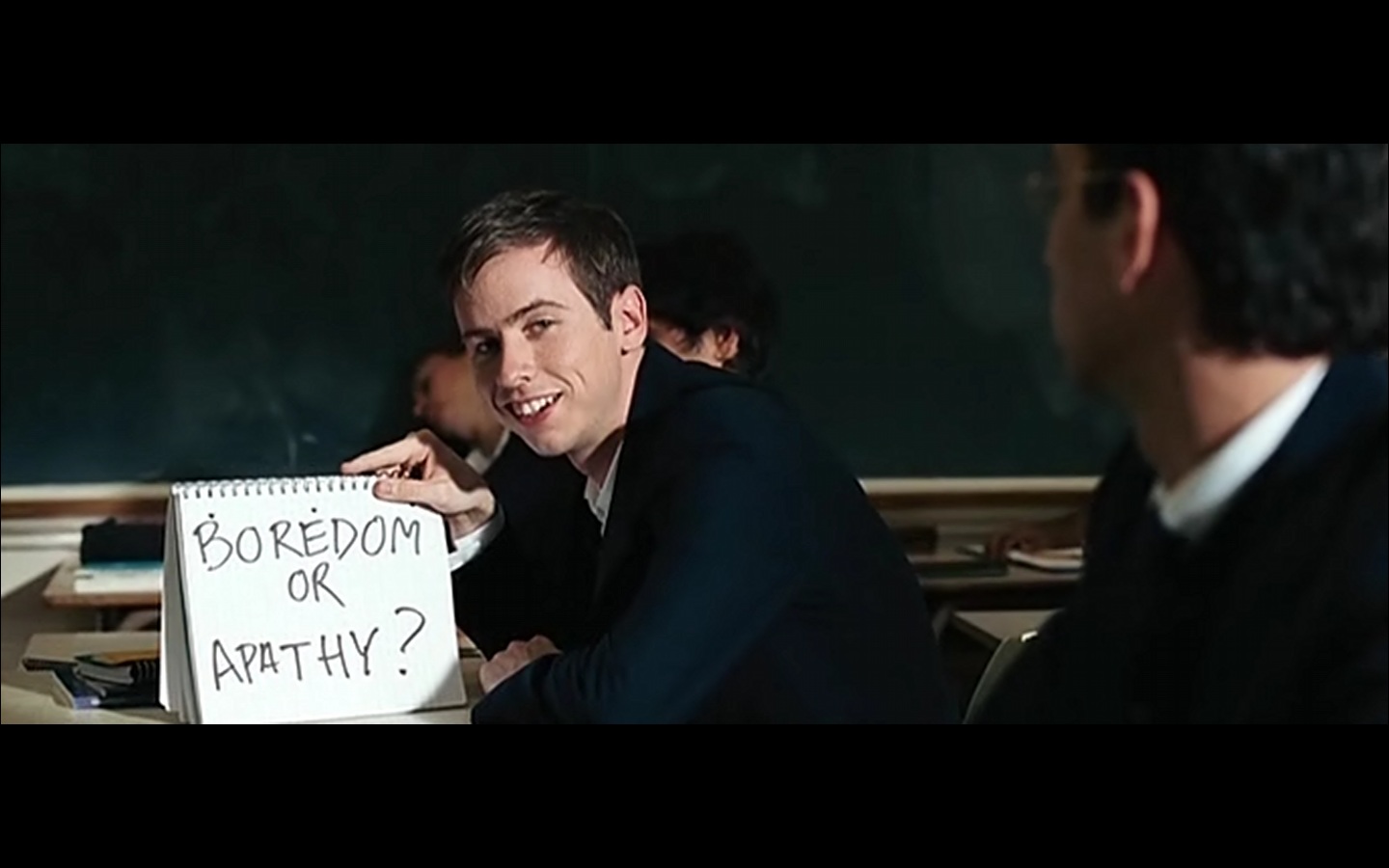
Boredom or Apathy?

The film has a very bizarre premise: the main character Leon believes that he is the reincarnation of Leon Trotsky.  And to top that off with being a teen film, it was certain to make for a strange film (which isn’t to say a bad film).  The main conflict (or contradictions) in the film revolves around the main character trying to live out his life the way that Trotsky did.  Through this process he finds him self on more than one occasion trying to unionize (first his father’s workplace, then his high school).

The structure of the film is similar to many teen comedy films, and at first I felt that the premise was just a “wacky plot device” instead of an actual attempt to discuss the nature of class struggle.  But as the film developed, the message of social justice and organizing resistance became the driving force and motivation for the characters.  After a while into the film, the illusions of being the reincarnation of Trotsky took a backseat to the main characters drive to organize his fellow students.

One of the major themes in the film is about the struggle between “apathy and boredom” of the youth of Canada (which can certainly be applied to the United States as well).  The principal of the school (an authoritarian or repressive figure for the film) is sure that the students are apathetic to the plight of Leon, and after the first attempt to organize a walk-out of class: the principal seems to be right, as most of the students do not take it seriously even though they walked out.

As Leon wrestles with this throughout the film, he plots on how to best mobilize his high school against their conditions to give them a voice.  This is what the unique aspect of the film should be seen as and is what made me consider the progressive themes in it to not just be a plot device, but instead are the goal of the film.

This progressive message, guided by achieving socialism for the main character, is an interesting thing to appear in a film like this, and while it certainly won’t achieve a “wide release” that many Hollywood teen comedy films do, it’s an excellent contribution to the genre that for reasons that ought to be obvious aren’t of interest to the Left.  But the way in which the contemporary youth, and the perceived apathy, are dealt with in the film is an interesting take that offers a bit of optimism for a generation who is often labeled one that just “doesn’t care.”

La Faute à Fidel (2006)

Directed by Julie Gavras

Julie Gavras’ debut narrative film focuses on a sort of “coming of age” story of a young girl (Anna) who is raised in a family in political transition. Anna’s family becomes more radicalized in post-1968 France where her father takes on the cause of defending Allende’s Chile while her mother goes into womens’ liberation. The story revolves around Anna’s anxiety due to the drastic changes in her own life that must occur as a result of the ongoing political changes within her immediate family. The story essentially uses Anna’s growing up as an analogy to explain certain political changes that occurred in the West in places like France during the time the film takes place (the 1970s).

Anna’s father feels quite guilty for his family’s support of Franco in Spain which motivates him to become a passionate supporter of Allende in Chile. Their family hosts exiles, activists working on Allende’s campaigns, etc. throughout the film which make from some interesting interactions between the young Anna and the Communist activists. For example there is a scene where Anna is up late one night and has a conversation with the activists about trading an orange for money. They insist that trade should not be done for personal benefit over another but in an egalitarian way, while Anna resists these progressive notions. The conversation is a sort of “Communism for children” style of dialogue that demonstrates the bourgeois ideology that still dominates Anna’s preconceptions of the world and makes for an interesting scene when those notions are directly challenged.

As the story progresses, Anna beings to challenge these preconceptions in places like her Catholic school which leads her to some trouble (after having already been removed from certain religious classes in the school). These developments make her grandparents quite uncomfortable and they clearly are opposed to the leftward turn the family has made.

There is also tension within the family that is itself representative of greater tension amongst the Left of that time. Anna’s mother becomes quite involved with abortion rights, while her father sees this as a sort of deviation or even a negative struggle to get involved in. This is of course one of the biggest criticisms of the “Old Left”: the theoretical and political “blind spot” of what the Old Left considered to be single issue causes that were considered to be distractions from the more important class struggle. These questions don’t get resolved in the most comfortable way in the film, just as they weren’t “comfortably resolved” in the real history of the Left.

The film does an excellent job at using the perspective of a child to explain a time that was quite crucial in understanding the contemporary Left and at least some of the important developments that got it to where it is today.

The American Ruling Class (2007)

Director John Kirby

“All ruling classes are based on merit”

The American Ruling Class is a film that describes itself as a “dramatic-documentary-musical.” It mixes a fictional narrative form with a traditional documentary: with two amateur actors playing the lead roles interviewing (or rather interacting with) various important figures in American society while being guided by Lewis Lapham throughout the film.

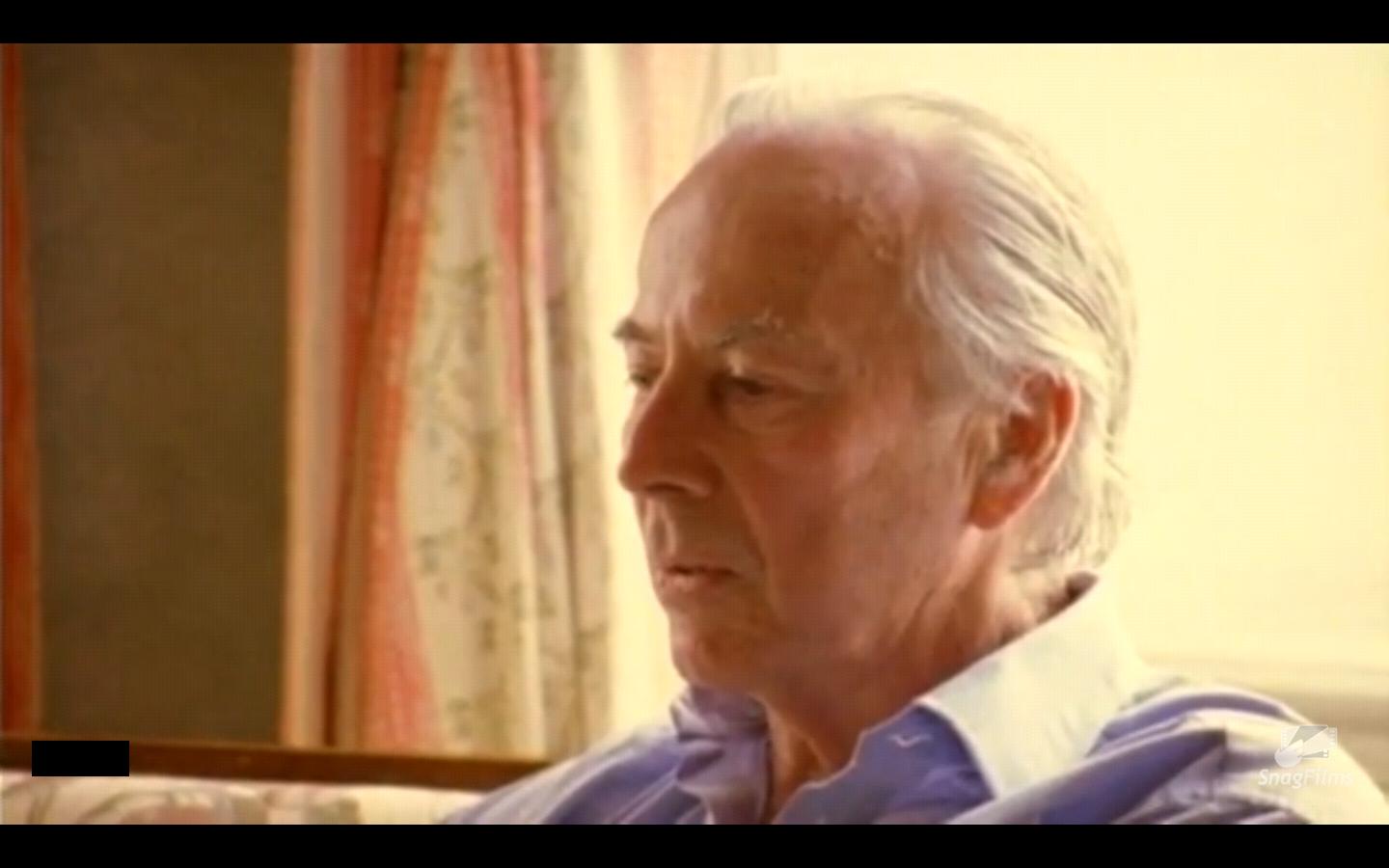
"Old Money"

The project of the film is rather straightforward, it asks a series of questions:  Is there an American ruling class?  If so, who is it comprised of?  and How does one join it?

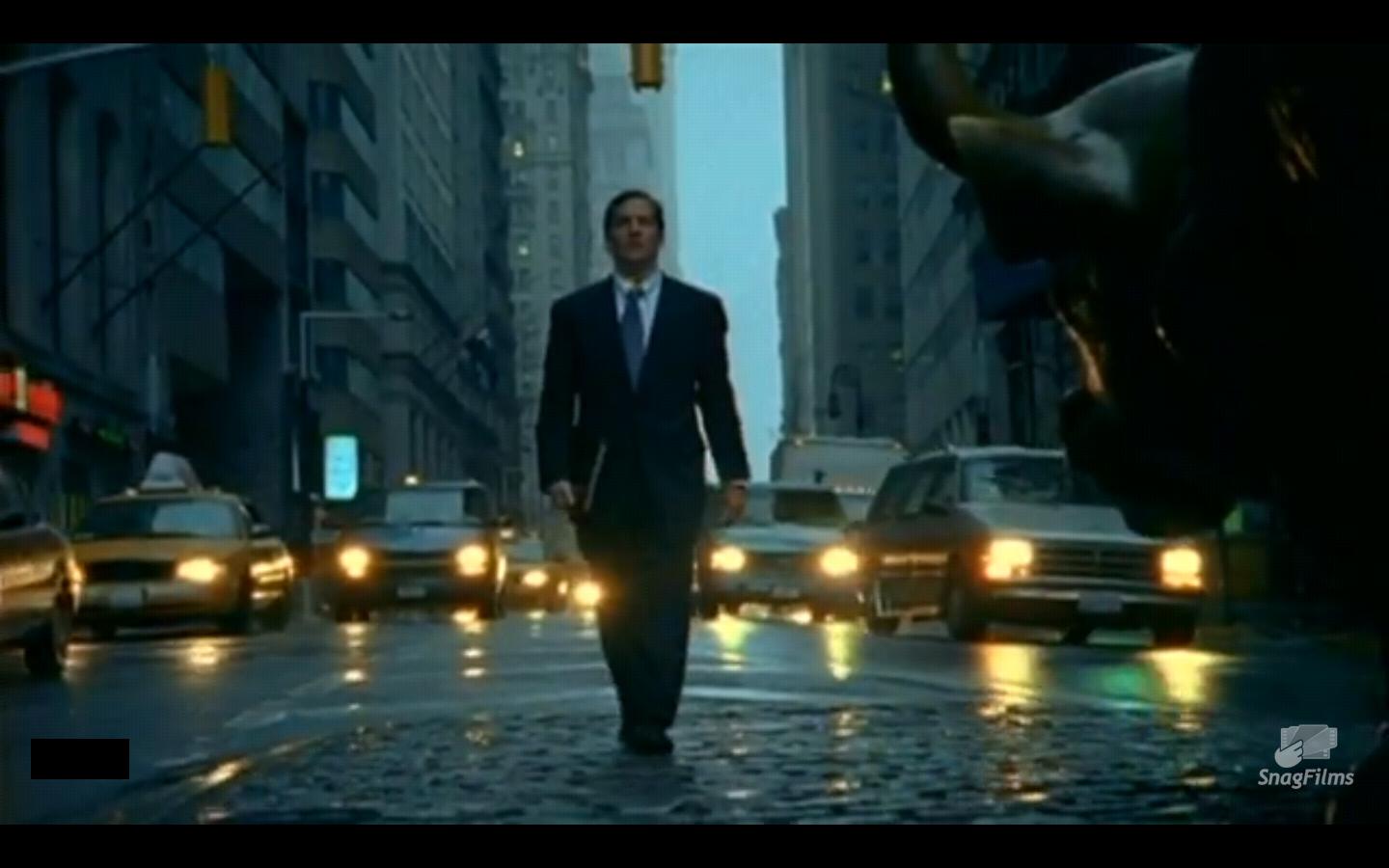
It goes through these answers by having the two fiction characters, both recent graduates form Yale (one an aspiring business man who wants to work on Wall St. and the other an aspiring writer), meet various real life American figures.

The film oscillates from meetings with the business elite, to Democratic Socialist figures like Barbra Ehrenreich and “Reds” like Peter Seeger.  The characters are taken through various segments of American society, for example the sequence with Ehrenreich demonstrates how the working class is much more philanthropic than any wealthy businessman by what they provide to the ruling class and the amount they receive for their services (hint: not much).

My main problem with the film is that it takes the ruling class as more of a cultural phenomenon than an economic one to some extent.  The film constantly revisits the theme of “money rules everything” but doesn’t really do it from a very economic standpoint.  It’s all cultural to the writer of the film to some extent.  And while figures like Howard Zinn and Ehrenreich are featured in the film, they too (And perhaps as a result of the direction that the film wanted to go) focus on the “power of the elite via their desire to control” but not so much how the elite exist as a ruling class, and what that means.

The film also ends with a vague optimism about changing the world without prescribing any sort of way to do it.  While it does seem to be critical of the “change the system within” and the ending song even speaks of the “falling empire,” a real class analysis of how to change society is suspiciously absent here.  Now many Marxists would be accused of just projection too often their desire to see more class analysis in film and documentaries, especially when so much of it has been ignored even amongst the left today.  But in a film about the “American Ruling class” such a prescription of a more vibrant and militant labor movement seems to be the obvious conclusion here, but it doesn’t seem to be taken too seriously (other than a rather vague reference by Ehrenreich to “people will eventually demand better pay and change will come from that” in the middle of the film).

For the most part, from a Marxist stand point at least: the class analysis of the film is lacking quite a bit, yet it provides an interesting insider perspective on the American ruling class (often from the ruling class itself) and is certainly worth the time.  There are some awkward moments with the fictional characters, and the musical scenes aren’t really that good (although that could be a personal preference).  It critically examines the concept of the “American Dream” with the conclusion that the dream is a farce, but this could have been done in a more through way in terms of an actual class analysis. The cultural aspects of the ruling class are interesting, and just as interesting are the views of those who the film considers to be a part of that class. The answers to the questions the film sets out aren’t quite the clearest answers but the investigation the film goes into is pretty valuable nonetheless.

At the time of this writing the film can be viewed on Hulu

The Legend of Rita (2000)

Director: Volker Schlöndorff

The Legend of Rita is a film about a West German “terrorist” group who eventually ends up in the Eastern German Democratic Republic.  The group, which is based off of real historical groups like the Red Army Faction and Revolutionary Cells, goes through a series of failures in West Germany and is in crisis until Rita meets up with the Stasi while in transit to West Berlin.

The group goes through a disastrous jail break while trying to free their “leader” of sorts, and as a result, finds themselves in a difficult position.  They travel to the GDR where the Stasi help them get settled in in Paris.  After Rita has a deadly encounter with a police officer, they are again placed in limbo.

Rita on her way to work in the GDR

The Stasi officer gives them all an offer: to live in the GDR as average working class citizens.  The reaction by these revolutionaries says as much about the state of the Left at that point in history as it does about their characters.  Most of them seem to outright reject the idea.  They want to carry on the struggle in the West or go to a place where the Cold War has “gone hot.”  They almost view their entry into the working class in a “Socialist State” as punishment for their failures, which considering their clear Marxist orientation, shows a significant short-coming in their analysis of struggle.  The philosopher Slajov Zizek often says that the Left is constantly comfortable with its status resisting oppression and fighting it instead of offering a vision for an alternate world.  This comes out quite clearly for this group, except for Rita.

From this point on, the film revolves around Rita’s new life in the East.  The Stasi officer, while prepping her for her new life, says something along the lines of “We’re for the people, that’s why they’re against them” in response to a question Rita has.  It’s interesting to see this ideological phrase here, as the Stasi are not portrayed in a negative light throughout the film nor is East Germany.

The first shot we see of an East German worker is that of Tatjana who looks worn out and depressed.  It seems that this was a very intentional first glimpse into the life of the East German working class.  What follows is a scene of Tatjana’s coworkers picking on and making fun of Tatjana.  For Rita, who has been a Leftist revolutionary, she seems confused by this and asks them why they pick on her, and doesn’t seem satisfied with the answer (which is essentially just a continuation of picking on Tatjana).

Rita and Tatjana develop a close personal relationship that is compromised when Rita discovers that East German television is broadcasting news from the West about her fugitive status, and is identified by one of her co-workers.  Rita is then required to once again relocate and take on the identity of an East German who is not from the West (as opposed to her first fake identity).  She ends up as a day care worker, and develops a relationship with a man who she ends up almost getting married to (there’s some interesting dialogue that exposes the man’s view of gender roles that are quite conservative given the nature of the East German state and it’s more balanced gender relations than that of it’s Western counterpart).  By chance, she runs into one of her former comrades who now has a child.  Rita congratulates her and tells her that she’s glad to see her happy, when her friend responds with “what gave you that idea?”  Their farewell scene is bitter sweet, with the upset friend riding away on the bus with the East German anthem playing ironically in the background: as a sort of display of the awkward position of Rita, and East Germany at that point in general.

First Factory where Rita works in the GDR

As the story progresses, the Stasi officer meets with Rita telling her that “people are waking up” to the realities of the State and the Wall soon comes down.  Rita from this point has a harder and harder time evading the authorities.  She is having lunch with fellow workers when they read the paper and discover that the friend she had run into in an earlier scene was caught by the authorities, she defends the actions of the group, claiming that “they never did anything to hurt this country!”  Her co-workers just claim that terrorists are terrorists and shouldn’t be in their country.  The workers then go on to say how they’re excited to get Levis.  Rita breaks into a mini-speech about how East Germany was a revolutionary experiment, and how it went wrong along the way but was something worth defending.  She is promptly ignored by her co-workers (thus being essentially dismissed as an idealist).  Her speech in a way represents the innocence of even the most rigid of the “Actually Existing Socialist” states, and how, even in their significant and real shortcomings, the alternatives that would eventually come to those states would provide devastation to the populations (for example East Germany now has significant unemployment, few social programs, etc.)

The film uses Rita to represent the socialist ideal in a way.  The bleakness and rigidity of East Germany is not ignored, but it is not a film that is a vulgar anti-Communist film like most about such subjects.  It is considered to be a part of the Ostalgie phenomenon, where East Germany have a certain nostalgia for the former East.  That’s not to say that they wish the Stasi were back, monitoring their lives, but they recognize how their lives were indeed better under even a rigid socialist state.  This film does an excellent job at capturing the mood of East Germany: while “the game was up” for the ruling party in the East, there was still something redeemable about the idea of a workers state enough to where a film like this could be made so many years later and portray the East in a “not-so-bad” light.

Avatar (2009)

Director: James Cameron

There’s quite a lot of discussion amongst leftist “film critics” about the nature of the new film Avatar.  It’s been described as everything from a great anti-Imperialist adventure in solidarity to the most recent prime example of a White Man’s Guilt story.

One recent article that seems to have gained some popularity on the online world titled When will White People Stop Making Movies like Avatar? by Annalee Newitz where the argument revolves around the thesis that Avatar is essentially a story of “white guilt” and a fantasy of how to deal with and alleviate that white guilt.  For Newitz, Avatar is more of a story about race and the oppression of a certain race as told by the oppressor’s perspective than it is about a story of Western Imperialism, which of course has historically included race as a specific dynamic/characteristic of that imperialism.  A response to this article was posted at The FIRE Collective’s website titled Avatar: Condescending Racism or a Story of Transformation and Struggle? where the author argues that Newitz’s analysis lacks the critical points of the story of Avatar:  Imperialism and Resistance.

Both articles agree that the story is one of a white oppressor who decides to join with the oppressed after realizing that Imperialism is wrong.  Where they disagree is in what manner that resistance is executed.  According to Newitz, the story is full of “white leadership” that was required to save the Na’vi in the film.  Their resistance by themselves was not an option and required the oppressor to step in an decide to help.  The story being from the perspective of the white main character was for Newitz and example of this sort of fantasy being materialized as a “White Man’s Burden” sort of struggle: where white leadership was required.

The Kasama Project has also posted various articles on Avatar with similar discussion on whether the story is problematic or not, to what stereotypes are being appealed to throughout the film, etc.  The WSWS has also has an article titled Why are Critics Lauding Avatar? which includes many of the same criticisms about the race dynamics and the shallowness of the story line.

It seems that there is a major philosophical difference in these various interpretations rooted in identity politics versus a materialist anti-Imperialist interpretation.  That’s not to say that those who criticize the potential racism in the film are “just diving into identity politics” or that they are essentializing race over a focus on Imperialism (although I do believe that Newitz’s article does this to some extent), or that those who praise the film for being anti-Imperialist are completely ignoring the major problems with the film.

I would say that to completely dismiss the film or to uncritically praise it are both problematic.  There is some importance to having on of the biggest Hollywood productions having an anti-Imperialist message as its plot device (which can be analogous for the original colonial period to our current conflicts).  And another plot device used is that of some members of the oppressing group rejecting their role and even violently opposing the oppressed to assure an end to that Imperialism.  I do agree, however, that there are significant problems with the way in which this is played out in the film: for example Jake Sully (the main character) does become some mythical savior figure in the film, and the Na’vi are fetishized in an almost orientalist way.

James Cameron himself cited that the story is about the “sins” of humanity itself, not of any particular event or struggle.  It’s quite obvious that the various sections of actors in the film are representatives of the current and past struggles that the West has been engaged in, and that of course has inspired his writing.  But his story is indeed not a “revolutionary leftist” one, and wasn’t intended to be.  That’s not to say that we shouldn’t, as leftists, praise the anti-Imperialism of it but of course we should point out its serious flaws.

Overall, it was a film that achieved major technical achievements in the context of a left-Liberal story.  It’s problems seriously undermine it to be something that the revolutionary left should praise, but it can still be a starting point for discussion and discourse for such a popular film.

Further Reading: http://theredphoenix.wordpress.com/2009/12/20/review-of-avatar/

Tout Va Bien (1973)

Director: Jean-Luc Godard

Tout Va Bien is perhaps Godard’s most overtly Marxist film.  It’s entire structure is a diagnosis of class relations and essentially a demonstration of the aftermath of May ’68 (which is referenced quite often in the film), while constantly reminding the audience that France 1972 is not May 1968.

The film revolves around two main characters, one of which is played by Jane Fonda.  (The film itself has it’s own political history of receiving as much funding as it did by getting such a famous actress to be in the film which is actually referenced in the film itself).  Fonda’s character is an American journalist living in France as a correspondent to an American radio news company who is married to a filmmaker who was once a New Wave director who during the film had moved on to make commercials (he later claimed that making commercials was “more honest”)

The film begins with an examination of film making itself, with an opening sequence of checks being signed to the different departments and people who made the film, an opening montage that overtly sets up the structure of the story (even referencing the fact that a famous actress should be sought out).  After the main characters are established, it doesn’t take long for the film to focus on the factory.

The political situation in the factory is that of disarray.  The workers are engaged in a wildcat strike that the union (the CGT) does not support.  The boss finds himself helplessly defending his position in society while the leftists are being written off as “troublemakers.”  This is of course quite similar to the situation in May ’68, where the French Communist Party (PCF) did not back the wildcat strikes and student protest movement.  Godard constantly reminds us that this is not ’68 and that the situation is quite more dire here.  The film has a mood of defeat about it (the filmmaker character expresses this quite explicitly in his ending monologue).

With this atmosphere, the two main characters were scheduled for an interview with the manager of the factory about modern management skills.  They of course are thrown into the turmoil of the strike and are in turn locked up with the manager.  The manager is confronted by the two protagonists and is forced to justify the system of capitalism itself: claiming that Marxism has lost its relevance due to the increased standards of living for all in society (a straw man argument of course) and arguing for a society where classes cooperate instead of conflict.

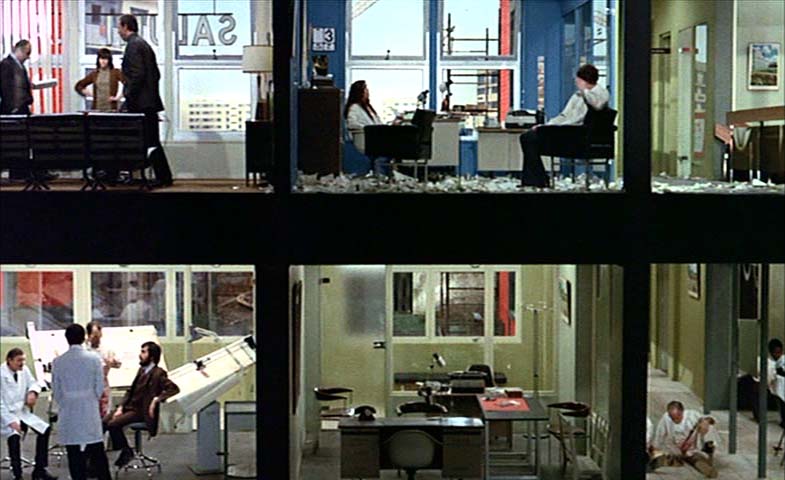
Cross Section of the Factory

Another major antagonist in the film is the CGT representative.  The CGT at the time was aligned with the PCF and continued to be until the 1990s.  The CGT representative demonstrates how the PCF (and in turn the CGT) were moving to the right: arguing for negotiations with the capitalist class/management and maintaining “order.”  They were just as opposed to the troublemakers as the police.

The film also deals with male chauvinism, with minor references towards the beginning of Fonda’s character being a Feminist, there’s a scene in the film where one of the male workers tells the female workers that they should just be at home cooking, the other female workers back her up and call his chauvinism out for what it is.

After the two protaganists are released (and the workers apologize for locking them up, citing that they had no other option), Fonda’s character ends up trying to do a story in the grocery store where a long scene showing people buying groceries while the Communist Party is in the background trying to sell books (A good quote she has to sum up the grocery store in her monologue that is meant to be for her upcoming article “outside the factory it’s still like a factory” which demonstrates how society is shaped by the capitalist structure).  Here the PCF is portrayed as just another commodity to be bought and sold on the market place, just as much a part of the system as the groceries that the consumers are buying.  Then, a group of radical students comes up and begins to question the PCF representative, pointing out contradictions and inconsistencies in their line.  They then start leading a sort of mass theft of the grocery store, encouraging and inciting and radicalizing the consumers while shouting “everything is free!”  The camera then slowly makes its way to the exist while showing the police suppressing the mini riot.  This is an important demonstration of the tactics of some New Left groups that were called into question at the time: for example the Weather Underground‘s “Days of Rage” event was nothing more than an invite of police repression which was condemned by organizations like the Black Panthers.

Grocery Store Scene

Then there are scenes of the militant factory workers being brutally repressed by the police where even one of the workers is murdered and a long scene (which is often returned to) of the militant workers being marched in a line on the way to jail.

Then the protagonists return to their normal lives and reflect on the recent events and as a consequence reflect on their own positions in society.  Their marriage is shaken by the events and their self-reflection and we are made just to know that there is some uncertainty ahead.

Overall, it’s a film about the politics of the New Left versus the “old guard” of organizations like the Communist Party, and the consequences of the respective stances each position took in the late 1960s.  The film is almost like a Post-Script to May ’68: demonstrating how the failures of the Left lead to essentially a betrayal of the working class.  I don’t think Godard’s final conclusion is that the New Left should be seen uncritically, but he certainly does demonstrate the problems with totally rejecting it.

Further reading: Criterion Collection Essay on Tout Va Bien

There’s also an interesting interview with Godard about the film on YouTube

They Live (1988)

Director: John Carpenter

They Live is an interesting experiment in science fiction.  John Carpenter certainly makes great use of science fiction to demonstrate class antagonisms in America of the late 1980s.  The protagonist (who is interestingly played by the wrestler “Roddy Piper”) enters Los Angeles looking for work after having obvious failures abroad finding it. His experience in the unemployment office is painted as a typical painstaking venture that many have to go through (due to the current economic conditions at the time).

After his failure at the unemployment office he finds work at a union construction job where he follows the supporting character (played by Keith David) to a camp for the homeless.  As the story progresses, it becomes clear that some sort of group is opposed to the “rulers” of society is based in the camp.  The main character becomes aware of this and investigates the night before the police and military raid the camp.  This raid scene itself perhaps demonstrates Carpenter’s leftist leanings as police repression against the “working poor” is brutal and seemingly senseless (although they are after a resistance group).

theylive

The city revealed for what it really is

After the raid, the main character stumbles upon sunglasses that reveal to him the “true nature” behind things like advertising, the rich and control methods used by the “elites of society” (which in the film are portrayed as an alien force of some sort).  The scene where he first uses them in the city is itself clearly an analogy of the control methods used by advanced capital and the “putting on the glasses” is of course symbolic of becoming aware of this. The city is full of signs reading things like “Obey” “Reproduce” “Sleep, don’t think.”  Thus the glasses reveal the true nature of advertising as a control mechanism.  He then goes on a rampage against the “aliens” he discovers and goes on the run as a result.

While he’s on the run, he eventually finds Keith David’s character again and tries to convince him to join his crusade against the “elite aliens.”  While trying to convince him, the two get into a major fist fight which eventually convinces David’s character to join the fight.  In a speech about the film itself Zizek makes an interseting point about this scene representing the vanguard forcibly making the working-class wake up out of its comfortable position (Link to video).  This further underlines the “subversiveness” of the film.

The film itself ends with the main character destroying the main radio tower that broadcasts propaganda to the city followed by a montage of people realizing who is an “alien” and what is propaganda.  It doesn’t depict any mass movement or uprising after and is essentially just a call for people to rise up in their own way.  The idea is that the main characters made the relations of society clear and that society itself, and only society has the responsiblity to act in its own appropriate way.  (This is also similar to what Michael Moore’s new film Capitalism: A Love Story calls on for its viewers)

Reds (1981)

Director: Warren Beatty

Reds is a peculiar film in that it is a major motion picture funded by a Viacom company (Paramount) that portrays not only the founding of the American Communist Party in a positive light, but also the Bolshevik revolution of 1917 in a positive light.

The film revolves around the story of John Reed, who was a journalist and activist in the early 20th century.  While it is mainly about his experiences, it is not a traditional biopic (i.e. it doesn’t detail his entire life and the most important things that shape his character, etc.) but instead is more the story of his political progression from the time he was already writing for The Masses until his death in 1920.

The style of the film is executed quite well: having what Beatty labels “witnesses” interviewed throughout the film adds an element to the film that makes one remember that these events really did happen (minus perhaps minor things that aren’t relevant).  These interviews were viewed by Beatty as something to “move the story along” and not as a documentary style, although I would argue that they serve as both (and I would imagine he could make a documentary just on the interviews).

Reed and Bryant meet with Lenin in Russia

Reed and Bryant meet with Lenin in Russia

Reed’s journey in the film certainly is sometimes very typical as his love story can be very “Hollywood-esque. ” (Zizek even makes a comment on this where he talks about how Hollywood will even tolerate the Russian revolution as long as it’s promoting traditional romance: towards the end of http://www.youtube.com/watch?v=UVqofPZaV9Q and the next part, although I’m not sure this reduction of Reds is %100 on).  Even though the film suffers the problems of most films that are essentially biopics, Reds still maintains an atmosphere of revolutionary change where the main protagonists are challengers of capitalism, and the film doesn’t paint that in a negative light.

While the atmosphere and environment of the film does put the viewer in the “socialist perspective” to some extent, the theoretical battles in the film can at times be a little lacking.  There are multiple exchanges between Reed and Emma Goldman that don’t amount to much actual theoretical debate and seem to be instead specific political disagreements (although in all fairness those political disagreements come from broader disagreements between Marxists and Anarchists in general).  There are also times where Reed runs into conflict with the new Soviet authorities over censoring/changing speeches, wanting to return home, etc. and Reed is sometimes painted as blindly accepting whatever the authorities will do which I think can be a little problematic at times.  The film does, however, sometimes go into the internal problems of the organizations of socialist/communist parties.  For example the right wing of the Socialist Party in the US demonstrates its willingness to dismiss Reed and the Marxists of the party just for supporting the Russian revolution, and the pianist plays a patriotic tune while conflict breaks out in the hall (a great touch of irony in my opinion!)

Overall though, the film is a major Hollywood production that paints an American Communist revolutionary in a positive light and compared to other films, it isn’t too shallow (considering the context in which it was made).  The film is worth checking out for anyone who hasn’t seen it.

Battle in Seattle (2007)

Director:  Stuart Townsend

Battle in Seattle portrays the events of the 1999 WTO protests in Seattle, WA. where thousands marched against the WTO and capitalist globalization.  Before the film was even completed, many protesters, especially the Anarchists, were concerned that the film was going to portray the protesters as violent kids bent on destroying things.  The director met with many of the original organizers in an attempt to end up with a more accurate film.  The end result is quite mixed at best in my judgment.

Seattle Protest

Seattle Protest

While the film itself focuses too heavily on the main characters story and not enough exactly on why it is that there even were protests, it does tackle important issues: for example the fact that the police are indeed the ones who started the troubles that week.  Aside from this and showing that labor was not alienated from the more “radical” protesters, the film really doesn’t offer much in terms of analysis of protest tactics or the overall strategy of anti/alter-globalizationists.  For example, the issue of violence during protests was only briefly addressed when a short scene that depicts an anarchist throwing something through a window when one of the main characters scolds them for the use of violence: the anarchist responds: that’s not violence!

While the issues of whether property damage can be violence or even terrorism is an important one that the film seems it is willing to tackle: it hardly addresses it.  It does, however, paint the main organizers in the film as ready to be arrested while they engage in direct actions like blocking major roads and convention sites which can certainly also be an important point of discussion for the left.  But overall, it seems to continue to play into certain stereotypes of leftists (at least anarchists) that are quite shallow.  There’s certainly a lot of debate to be had on whether the anarchist “black bloc” strategy is a valid one or not, but this film doesn’t seem to take that debate on.

The film ends with an inspiring positive montage of people resisting the WTO (and G20 I believe) all over the world since Seattle in 1999 which is perhaps a good way to inspire a newer generation of activists.  The film is worth the time to watch but has significant shortcomings for trying to tackle an important event in recent history for leftists .

Matewan (1987)

Matewan is a 1987 film directed by John Sayles. It deals with the Matewan Massacre (or the “Battle of Matewan”) when coal miners in West Virginia attempted to unionize and ran into significant resistance from the owners of the mines.  The film deals with themes of the division of the working class along racial lines, working class direct action, and capital’s resistance to worker organization.  Chris Cooper plays the main character who is a union organizer and former Wobblie.  He seems a bit disillusioned with the labor movement in its lack to truly form “One Big Union.”  He arrives in Matewan on the same train that was breaking in black strike-breakers to replace the striking miners when the train stops and he witnesses the black strike-breakers beaten by racists on the way to town.

Cooper's character gives an anti-racist speech

Cooper's character gives an anti-racist speech

Once he gets to town, he slowly tries to network and get in touch with the union where he tries to convince them to stand united with the workers coming to break the strike, while also convincing the strike-breakers that they ought not put the mine back in operation.  This drama is highlighted in a scene where the “leader” of the black strike breakers comes to a meeting of the union and demonstrates that he is “no scab.”  Cooper’s character gives a powerful speech denouncing the racism of the union and how workers need to stand together if they are to win their struggle against the company and the bosses.  The visiting workers who were brought in to break the strike decide to stand in solidarity with the original workers and eventually join the strike to add more pressure on the company and thus make the strike more effective.  This is what the rest of the film focuses on, the ongoing class struggle between the mine workers and the owners while the owners try various tactics of manipulating the workers (such as using agent provocateurs, lies, etc.) into defeat and ultimately fail (at least in the context of the film, historically the workers initially failed). The film ends with a major battle in the middle of the town that results in a few deaths, including Coopers character, yet the mood of the post-battle scene is that of optimism.

Where Sayles leaves this historical narrative off is of is incomplete with the actual struggles of mineworkers in WVA at the time. The “Battle of Matewan” lead almost directly to a larger, bloodier and more historically significant battle commonly known as the “Battle of Blair Mountain.” This battle involved the United Mine Workers of America who had been on strike and were involved with the Matewan incident and state and federal troops and is considered the largest labor uprising in US history (although it is not commonly taught in US schools). Sayles ends his story before this event took place, perhaps because he wished to leave on a positive note since the Battle for Blair Mountain resulted in a major defeat for UMWA. Although, many consider the labor laws passed in the 30s (and thus the resurgence of the labor movement) to be either directly or indriectly a result of the Battle of Blair Mountain, as the power that were in society at the time were backing the New Deal and attempting to avoid any sort of workers revolution (which at that time, was not an unrealistic possibility). Overall, Matewan is certainly a film worth watching as it portrays a chapter in US labor history that is often skipped over and forgotten.